Menu
Book Online
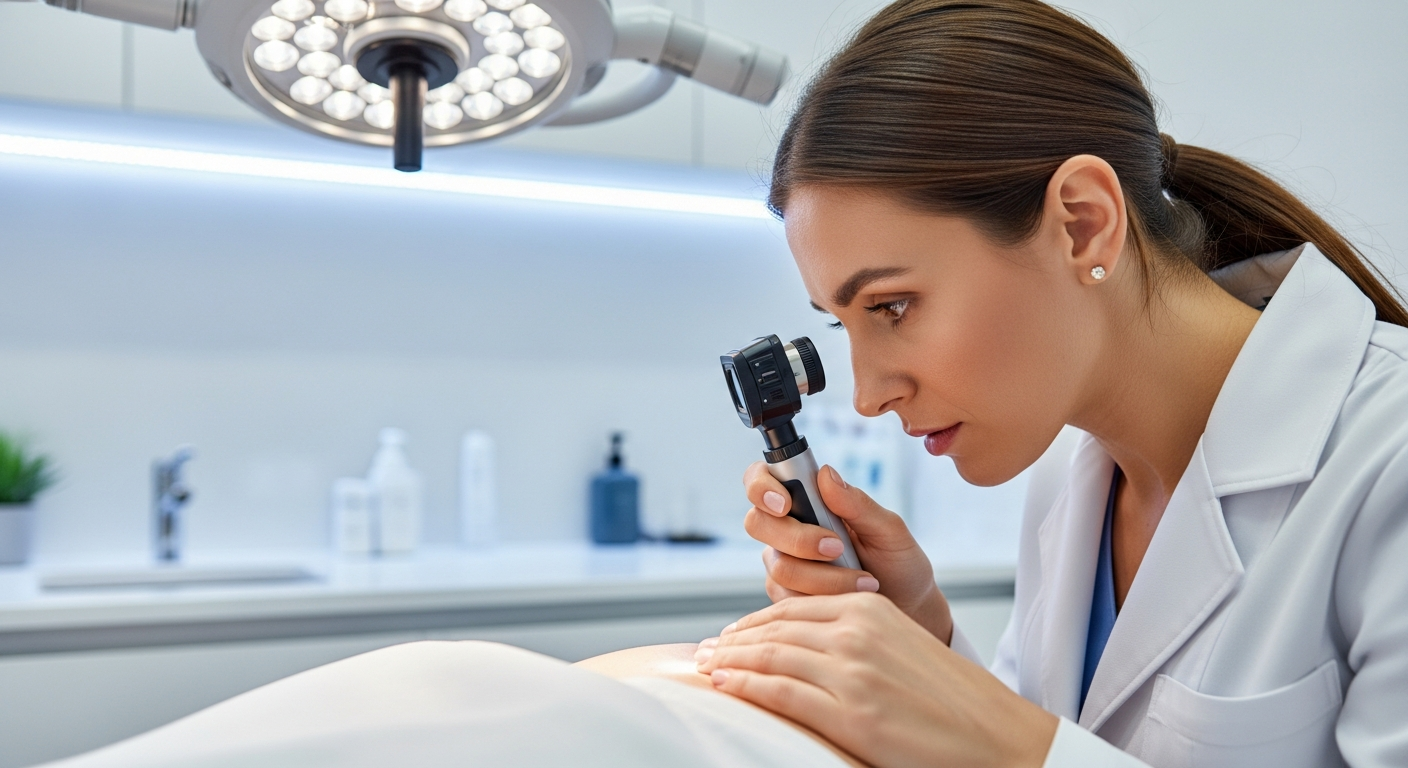
The Surgery Kincumber offers Skin Checks and Skin Cancer procedures, including biopsies and excisions, in our dedicated procedure room.
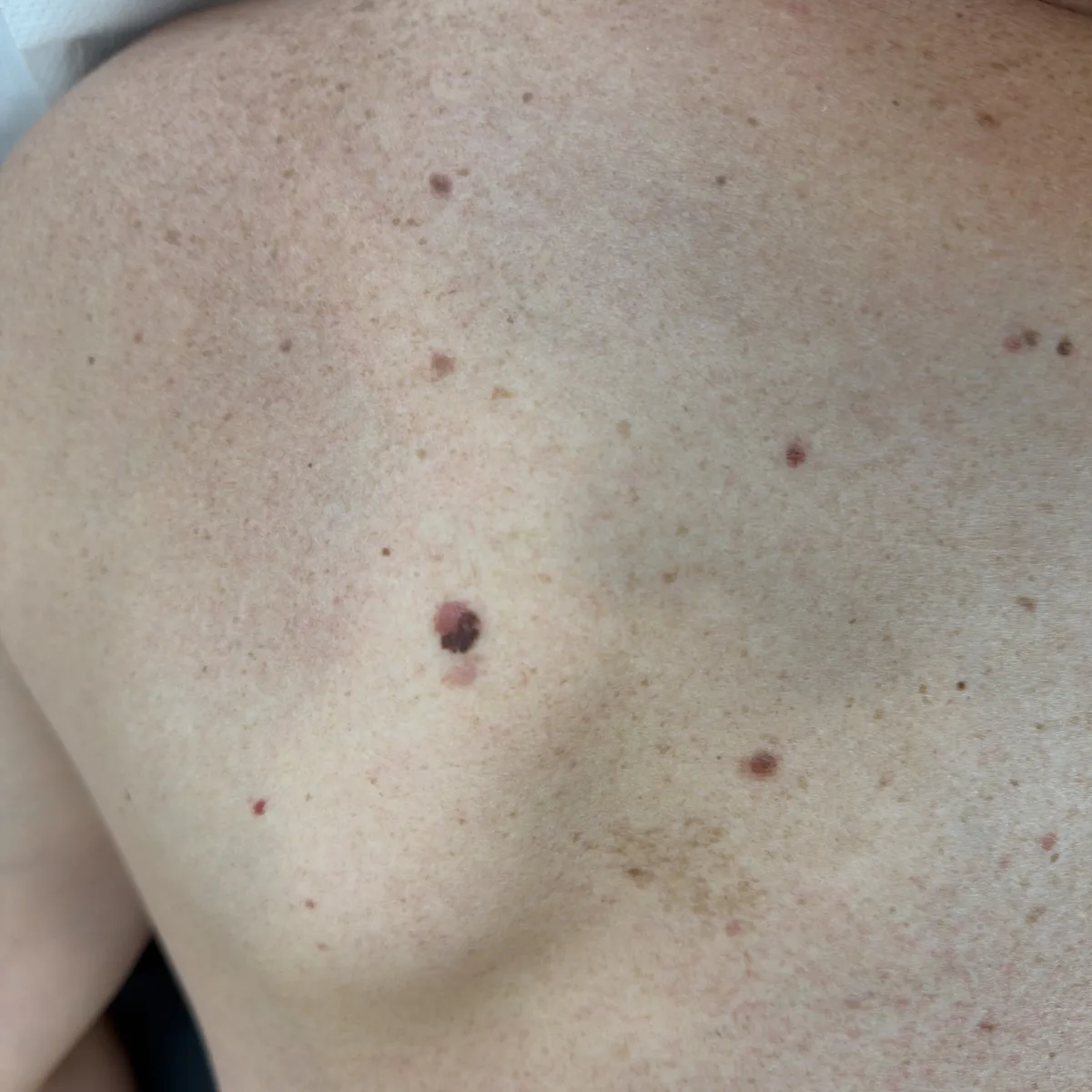
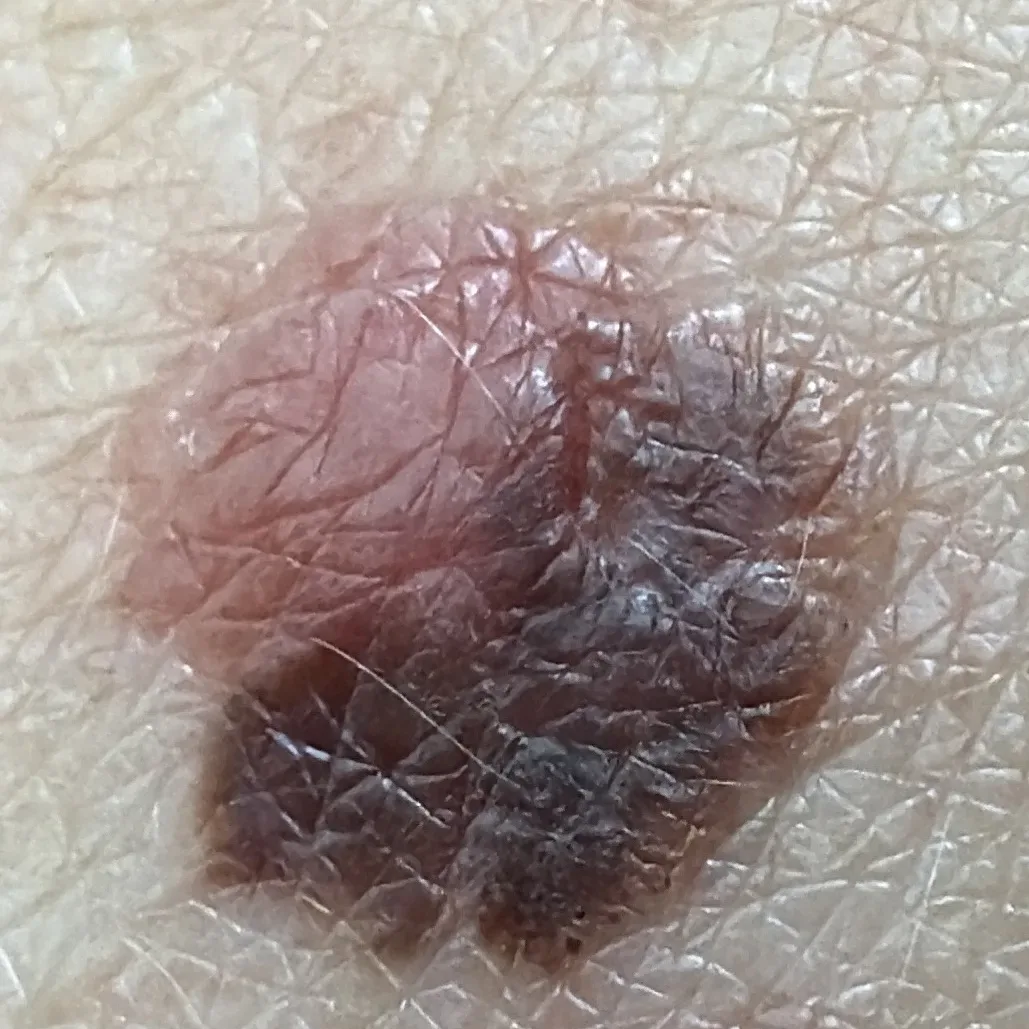
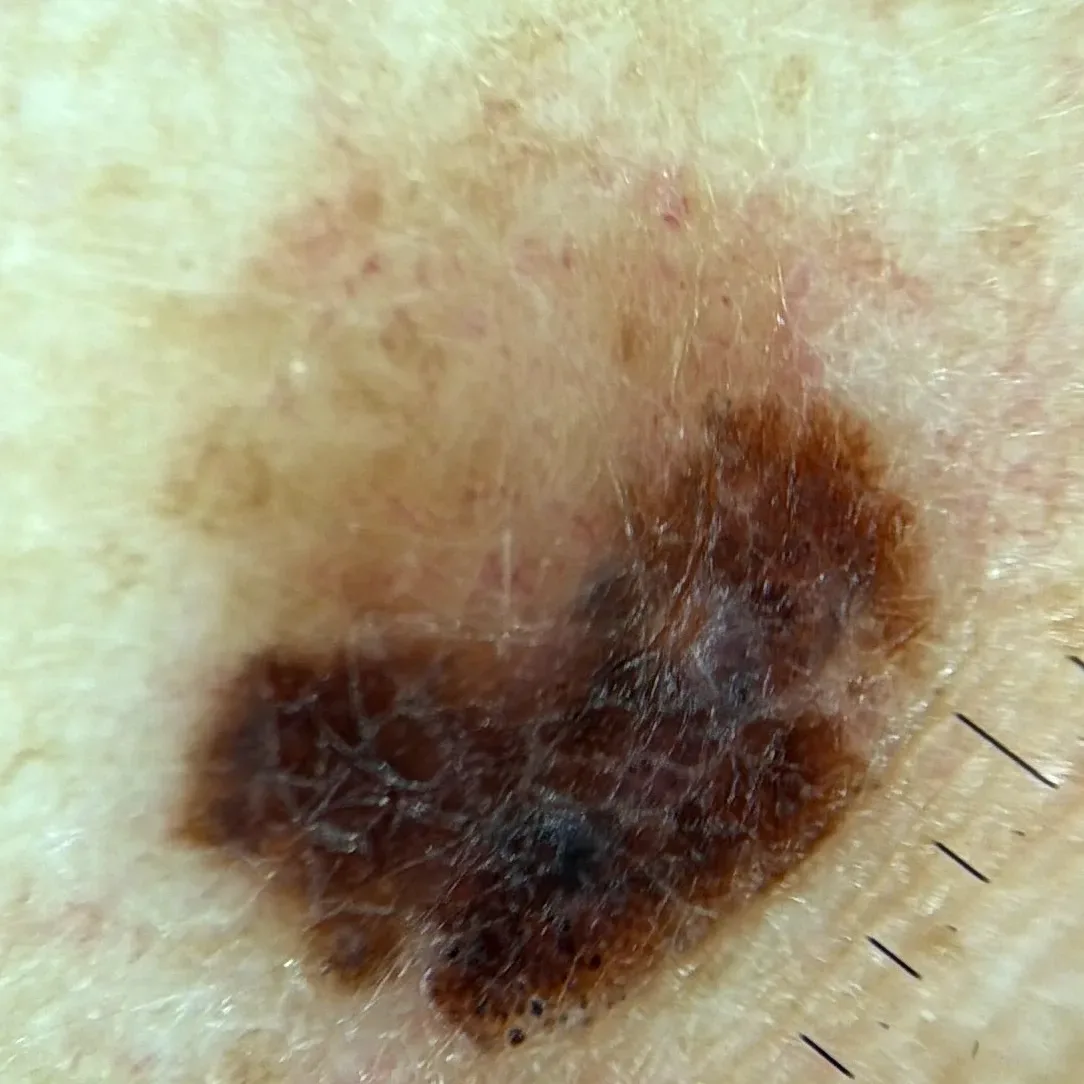
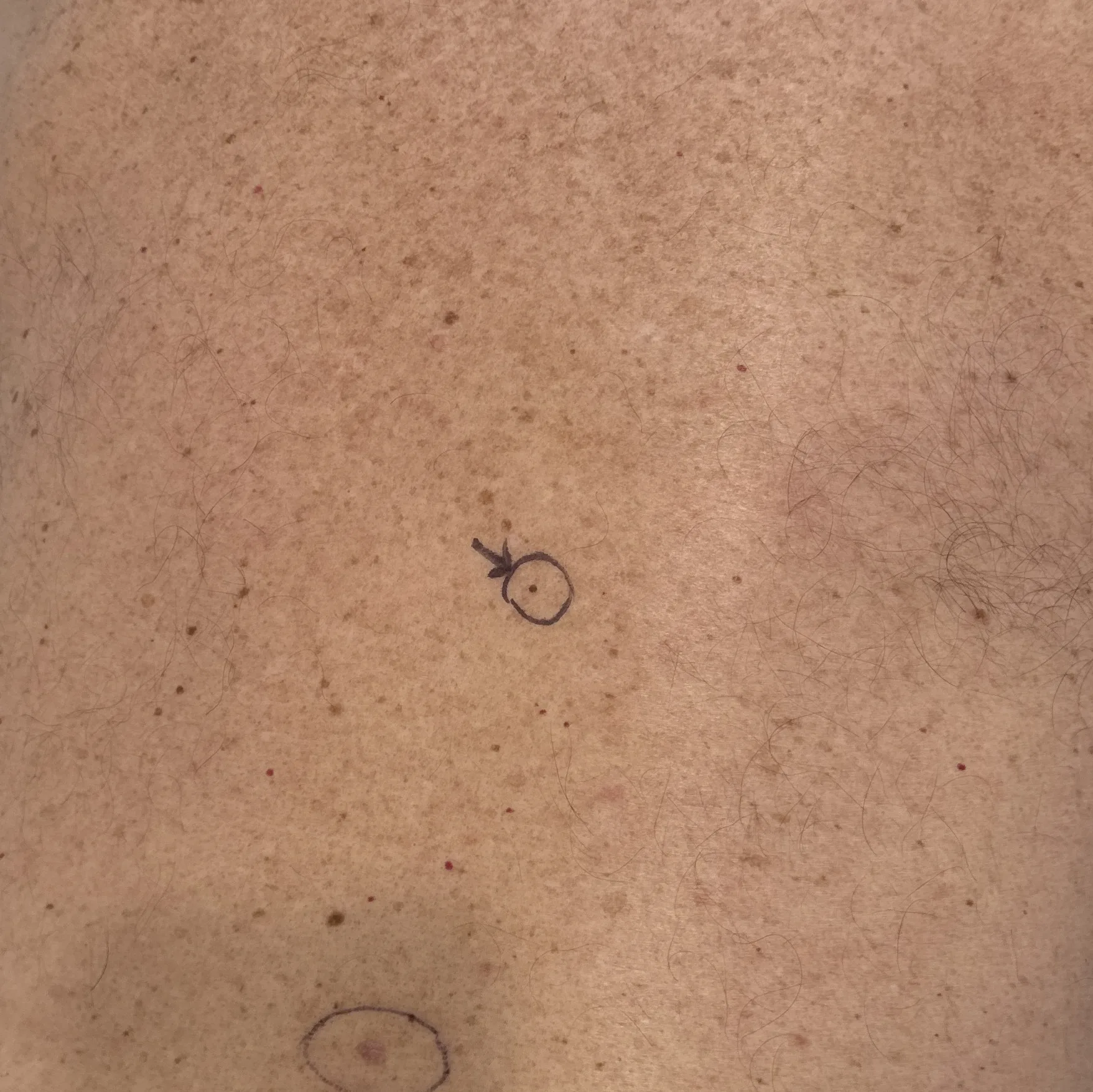
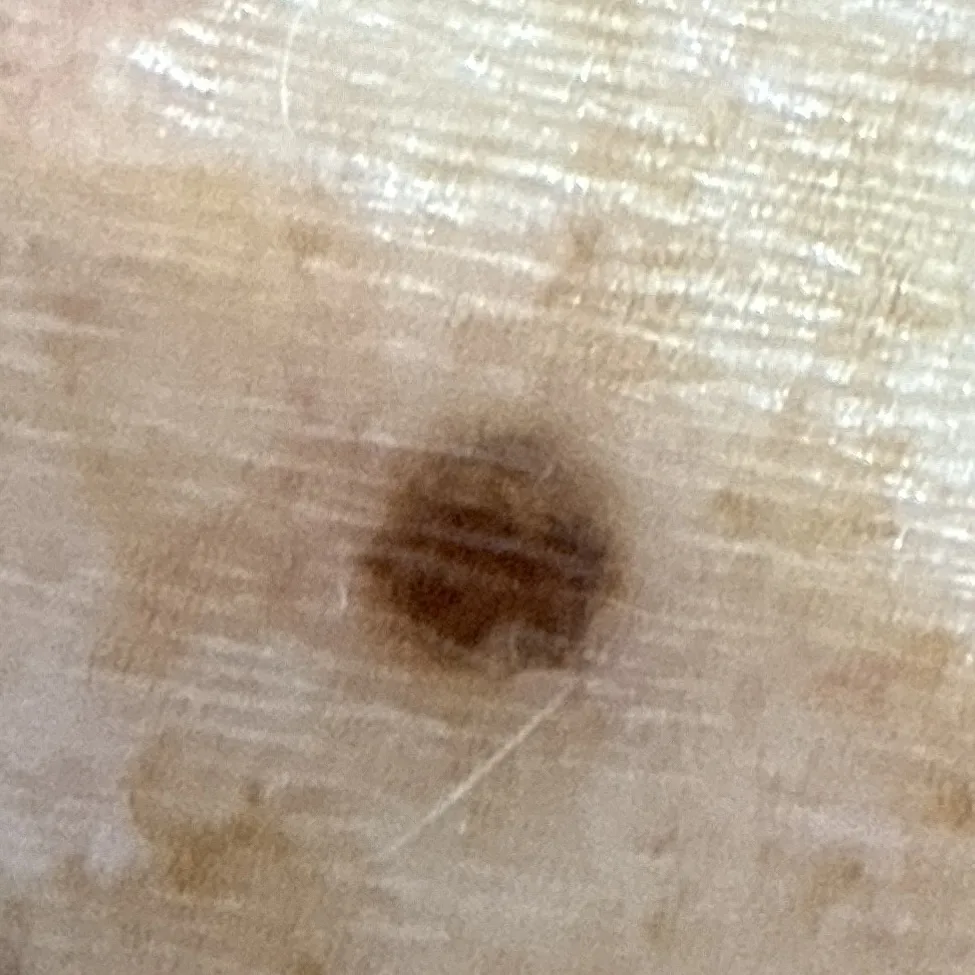
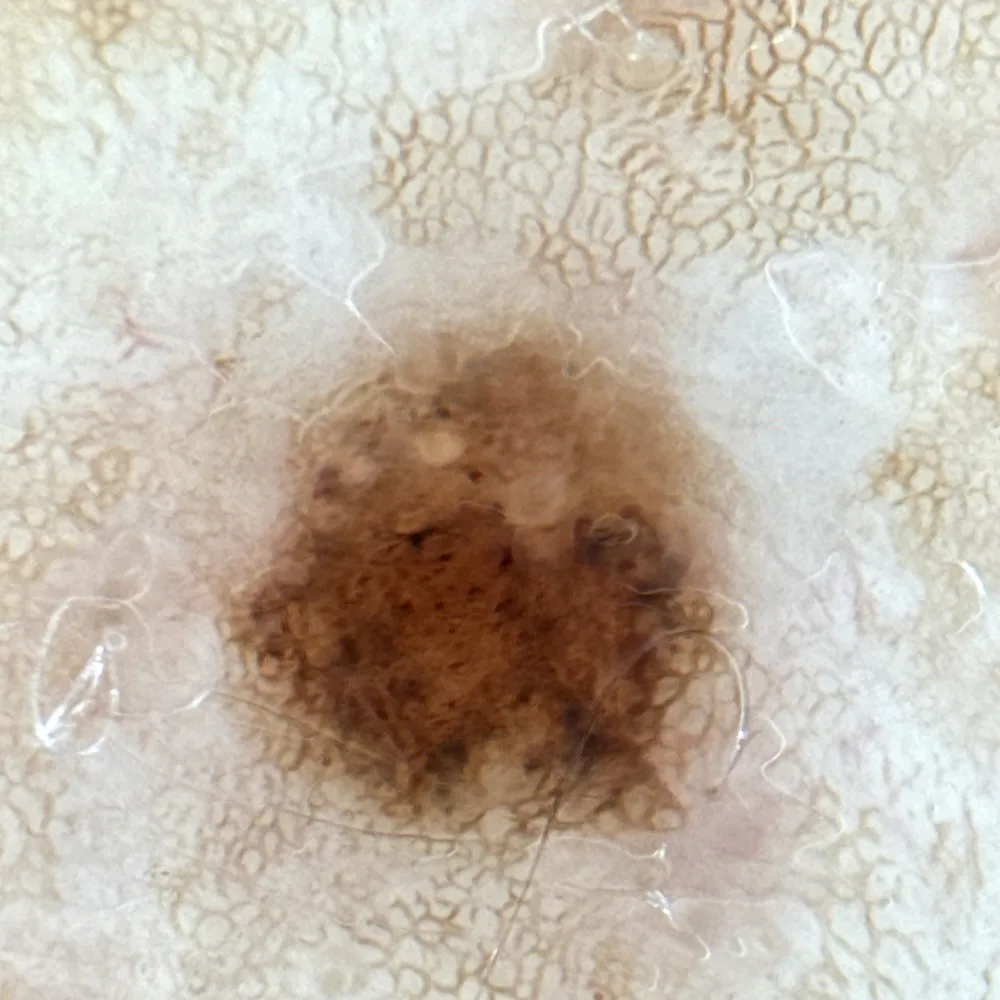
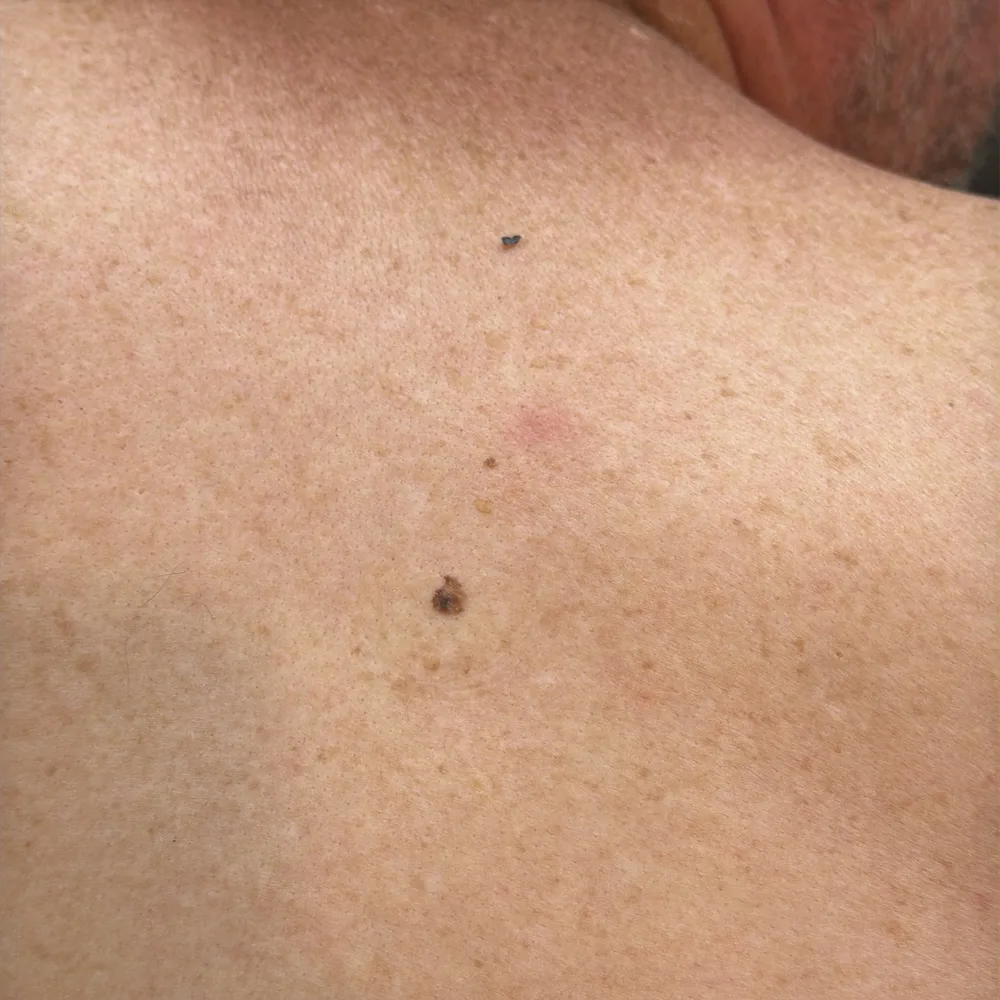
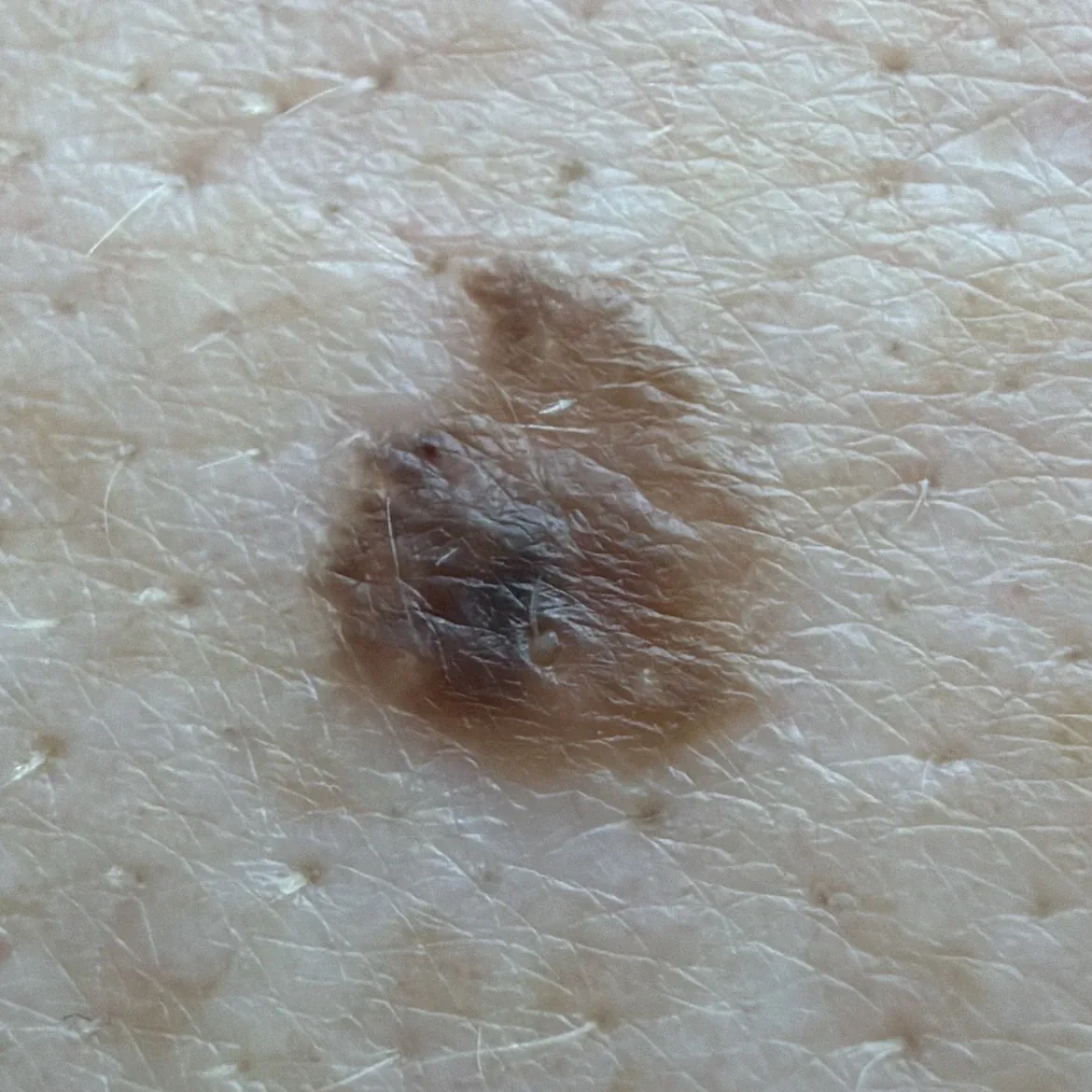
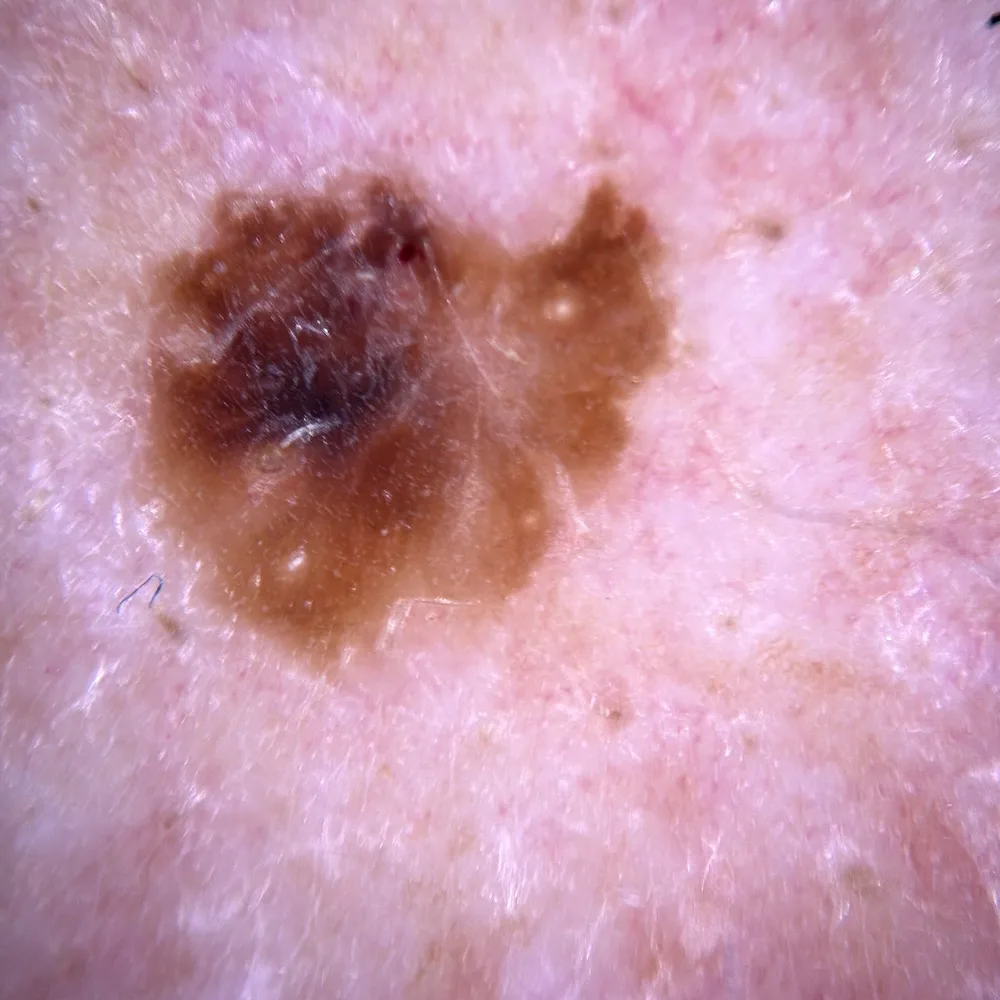
Just as the name suggests — check your skin. The doctor will greet you and ask a few questions to better understand your risk of skin cancer. Then it's the skin examination stage. You would need to undress, usually down to your underwear, and lie on a bed. The doctor examines your skin from head to toe aided by bright light +/- magnification. Some moles need to be felt by touching, to see if thick or raised. Each suspected mole is further examined with a special device called a dermatoscope (skin microscope). Sometimes photos of moles are taken and stored to explain to you or for future comparison for interval change.
Unfortunately a thorough skin examination would not be possible without undressing. You can bring your partner/parent/children if that helps. You can ask for a chaperone (usually a nurse) to be with you during the examination. Or you can elect to only have part of your skin examined, in which case potentially dangerous skin cancers may not be picked up. Contrary to some beliefs, a dress-penetrating camera is not used.
It depends on multiple factors — your skin colour, sun exposure, age, number of moles/freckles you have. The higher the risk, the more often you would need one. Most people are advised to have a check once a year. Some may need 6-monthly checks. Some may not need a check for 3-4 years. You will be advised about your next visit during the consultation.
Most often, you do not need any specific preparation, but some of these can be very helpful:
We will explain to you about the mole as to what it could be. Then offer management pathways such as:
Most skin cancers are slow growing and do not spread until they have become really big. However, there are some skin cancers such as melanoma that can be deadly if not treated — so they are not entirely harmless.
The commonest skin cancers are squamous cell cancers and basal cell cancers, then melanoma. Most common of the melanomas are early stage melanoma or melanoma in-situ. Most early stage melanoma, once removed, never come back. Generally once we find a mole is a melanoma, we almost always do a further procedure to take some more skin around it (Wide Local Excision) to make sure there are no more melanoma cells in the vicinity.
However, for some cancers, especially advanced melanoma, we would need to refer you for further treatment.



We acknowledge the Traditional Custodians of the land on which The Surgery Kincumber stands, the Darkinjung people, and pay our respects to elders past, present and emerging. We recognise Aboriginal and Torres Strait Islander peoples' continuing connection to land, sea and community, and are committed to providing culturally safe and welcoming healthcare for all Aboriginal and Torres Strait Islander patients.
The Surgery Kincumber is committed to providing safe, respectful and inclusive healthcare for all our patients, regardless of sexual orientation, gender identity or expression, or intersex status. We welcome LGBTIQ+ and gender diverse individuals and their families, and are committed to ensuring every person who walks through our door is treated with dignity, respect and without judgement.